Healthcare has become more patient-centered than ever before. Patients expect convenient scheduling, timely communication, and reminders that help them stay on top of their medical appointments. At the same time, clinics and healthcare providers continue to face one of their biggest operational challenges: missed appointments.
Every missed appointment represents more than an empty time slot. It can delay patient treatment, reduce clinic productivity, increase administrative work, and impact revenue. Fortunately, patient appointment reminders have become one of the most effective ways to address this problem.
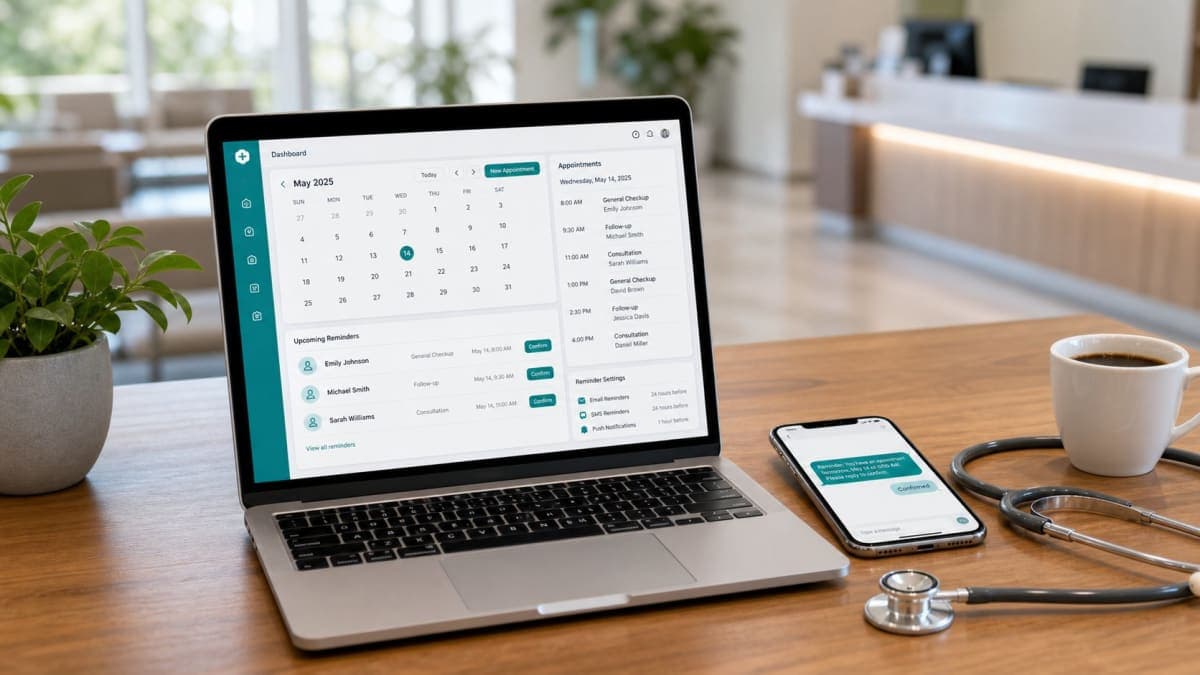
Modern reminder systems automate communication through channels such as email and WhatsApp, helping patients remember their appointments while reducing the workload on front desk staff. Instead of manually calling every patient, clinics can send timely reminders automatically and maintain a more organized schedule.
If you're new to healthcare scheduling, you may also find our guide on Best Clinic Scheduling Software in 2026 helpful, as it explains how modern scheduling systems improve clinic efficiency.
In this comprehensive guide, you'll learn what patient appointment reminders are, why they matter, how they benefit healthcare providers, and the best practices for implementing an effective reminder strategy.
What Are Patient Appointment Reminders?
Patient appointment reminders are automated or manual notifications sent before a scheduled medical appointment. Their purpose is simple: remind patients about their upcoming visit and reduce the chances of forgotten appointments.
These reminders typically include:
- Appointment date
- Appointment time
- Doctor or provider name
- Clinic location
- Confirmation instructions
- Rescheduling information
- Contact details
Instead of relying on memory, patients receive clear notifications before their appointment, making it easier to attend or inform the clinic if they need to reschedule.
Many modern healthcare providers now automate this process using appointment reminder software, eliminating repetitive manual work while providing a better patient experience.
If you're exploring reminder platforms, our article Improving Patient Attendance and Clinic Efficiency explains the essential features to look for.
Why Patient Appointment Reminders Matter
Healthcare organizations invest significant time and resources in scheduling appointments. When patients fail to attend without notice, everyone is affected.
Common consequences include:
- Lost revenue
- Wasted appointment slots
- Delayed patient care
- Increased administrative workload
- Longer waiting lists
- Reduced clinic efficiency
Patient appointment reminders help minimize these issues by keeping patients informed and encouraging them to confirm, reschedule, or cancel in advance.
This allows clinics to fill available slots more efficiently instead of discovering a missed appointment after it has already occurred.
For a deeper look at why patients miss appointments, read Why Patients Miss Appointments and How Clinics Can Prevent It, where we discuss the most common causes and practical solutions.
Benefits of Patient Appointment Reminders
1. Reduce No-Show Appointments
Reducing missed appointments is the primary reason most healthcare organizations implement reminder systems.
Patients often miss appointments because they:
- Forget the date
- Confuse appointment times
- Lose appointment cards
- Have busy schedules
- Fail to update their calendars
A well-timed reminder significantly reduces these issues by notifying patients before their visit.
You can also explore How to Reduce Patient No-Shows With Automation for additional techniques that complement reminder systems.
2. Improve Patient Satisfaction
Patients appreciate proactive communication.
Receiving a reminder reassures patients that the clinic values their time and wants to make their healthcare experience as smooth as possible.
Benefits include:
- Less confusion
- Better appointment preparation
- Reduced stress
- Improved trust
- Greater convenience
Satisfied patients are more likely to return and recommend your clinic to others.
3. Increase Clinic Productivity
Manual reminder calls consume valuable staff time.
Receptionists often spend hours:
- Calling patients
- Leaving voicemails
- Updating schedules
- Recording confirmations
- Following up on missed calls
Automated patient appointment reminders eliminate much of this repetitive work, allowing staff to focus on patient care and front desk operations.
Our article Best Appointment Reminder Software for Clinics explains how automation improves clinic workflows even further.
4. Improve Appointment Confirmation Rates
Reminder systems encourage patients to confirm appointments in advance.
When patients respond early, clinics gain a clearer picture of the day's schedule and can identify cancellations before they become empty time slots.
This leads to:
- Better planning
- Higher appointment utilization
- Improved resource allocation
- More predictable daily operations
5. Better Patient Communication
Appointment reminders are more than simple notifications.
They create ongoing communication between clinics and patients by sharing important information such as:
- Arrival instructions
- Required documents
- Preparation guidelines
- Follow-up information
- Contact numbers
Clear communication reduces confusion and helps appointments run smoothly.
Types of Patient Appointment Reminders
Different patients prefer different communication methods. Offering multiple reminder options improves engagement and convenience.
Email Appointment Reminders
Email remains one of the most reliable communication channels for healthcare providers.
Email reminders can include:
- Appointment details
- Clinic directions
- Preparation instructions
- Confirmation links
- Rescheduling information
Unlike phone calls, emails provide a permanent reference that patients can revisit whenever needed.
Our guide Best Appointment Reminder Software for Clinics explains how automated email reminders fit into a complete reminder strategy.
WhatsApp Appointment Reminders
WhatsApp has become one of the most convenient ways for clinics to communicate with patients.
Patients often read WhatsApp messages within minutes, making them highly effective for appointment reminders.
WhatsApp reminders can include:
- Appointment date and time
- Clinic address
- Doctor information
- Confirmation request
- Quick rescheduling instructions
This communication method offers convenience while reducing the need for repeated phone calls.
Manual Phone Reminders
Some clinics still rely on staff members to call patients directly.
Although phone calls can be useful for specific situations, they require significantly more time and staff resources than automated reminders.
Many healthcare providers now reserve manual calls for high-priority appointments while automating routine reminders.
Best Practice: Combine Multiple Reminder Channels
Instead of relying on a single communication method, successful clinics often combine:
- Email reminders
- WhatsApp reminders
Using multiple channels increases the likelihood that patients receive and acknowledge their appointment information.
Best Timing for Patient Appointment Reminders
Sending reminders at the right time is just as important as sending them at all. A reminder sent too early may be forgotten, while one sent too late gives patients little time to adjust their schedule.
A well-planned reminder strategy helps clinics reduce no-shows while giving patients enough notice to confirm or reschedule their appointments.
A commonly used reminder schedule includes:
- 24 hours before for specialist consultations or procedures
- 2 hours before for standard appointments
- 30 min before as a final reminder on the day of the visit
Using multiple reminders increases the likelihood that patients will remember their appointment without feeling overwhelmed.
Building an Effective Patient Reminder Workflow
A successful reminder system is more than sending a single notification. It should guide patients through the entire appointment process.
A simple workflow may look like this:
Step 1: Appointment Booking
After a patient books an appointment, they immediately receive a confirmation containing:
- Appointment date
- Appointment time
- Doctor's name
- Clinic address
- Any preparation instructions
This ensures the patient has accurate information from the beginning.
Step 2: Reminder Before the Appointment
As the appointment approaches, an automated reminder is sent.
The reminder should encourage the patient to:
- Confirm attendance
- Contact the clinic if changes are needed
- Review any preparation instructions
Providing this information early helps reduce confusion and last-minute cancellations.
Step 3: Appointment Day Reminder
A final reminder on the day of the appointment gives patients one last prompt before leaving for the clinic.
This reminder is especially useful for busy professionals, parents, and patients with multiple commitments.
Step 4: Handle Cancellations Efficiently
Not every patient can attend their scheduled appointment.
When patients notify the clinic in advance, staff can:
- Offer the slot to another patient
- Update the schedule immediately
- Reduce unused appointment time
Our article How to Reduce Appointment Cancellations in Clinics explores additional ways clinics can manage cancellations effectively.
Common Mistakes Clinics Should Avoid
Even with reminder software, poor implementation can reduce its effectiveness.
Sending Only One Reminder
A single reminder is often not enough.
People become busy, overlook notifications, or simply forget.
Sending reminders at multiple stages improves attendance while remaining convenient for patients.
Using Generic Messages
Messages should include useful information instead of a simple reminder.
A helpful reminder includes:
- Patient name
- Appointment date
- Appointment time
- Doctor name
- Clinic name
- Contact information
Clear communication builds trust and reduces unnecessary phone calls.
Ignoring Rescheduling Requests
Some clinics remind patients but make rescheduling difficult.
Patients should have a simple way to notify the clinic if they cannot attend.
This allows staff to fill vacant appointment slots more efficiently.
Forgetting Internal Communication
Appointment reminders should also help clinic staff stay informed.
Reception teams benefit from knowing:
- Confirmed appointments
- Pending confirmations
- Cancellations
- Rescheduled visits
A centralized scheduling system keeps everyone updated in real time.
How Automation Improves Patient Appointment Reminders
Manual reminder calls become increasingly difficult as a clinic grows.
Automation helps clinics communicate consistently while reducing administrative workload.
Modern appointment reminder platforms can automatically:
- Send appointment confirmations
- Schedule reminder messages
- Track delivery status
- Record patient confirmations
- Identify missed confirmations
- Generate reminder reports
Instead of spending hours calling patients, staff can focus on providing better patient care.
You can learn more about automation in our guide How Automated Appointment Reminders Increase Patient Attendance, where we explain how automated communication improves clinic efficiency.
Choosing the Right Patient Appointment Reminder Software
Not all reminder systems offer the same capabilities.
When evaluating software, consider whether it provides the features your clinic needs today and can continue supporting your growth in the future.
Look for solutions that offer:
- Automated reminder scheduling
- Email reminders
- WhatsApp reminders
- Online appointment booking
- Easy appointment management
- Patient confirmation tracking
- Reporting and analytics
- User-friendly dashboard
- Secure patient data handling
- Scalability for growing clinics
Choosing the right software is a long-term investment that supports better patient communication and more efficient clinic operations.
If you're still comparing options, our guide Best Appointment Reminder Software for Clinics provides a detailed checklist for selecting the best platform.
Measuring the Success of Your Reminder Strategy
Simply sending reminders isn't enough. Clinics should regularly measure performance to understand what is working and where improvements can be made.
Useful metrics include:
- No-show rate
- Appointment confirmation rate
- Cancellation rate
- Rescheduled appointments
- Patient response rate
- Appointment utilization
- Staff time saved
- Patient satisfaction
Monitoring these metrics helps clinics refine their reminder strategy over time.
Future Trends in Patient Appointment Reminders
Healthcare communication continues to evolve.
Patients increasingly expect convenient, digital communication that fits naturally into their daily lives.
Future reminder systems are likely to focus on:
- More personalized reminder schedules
- Better patient self-service options
- Improved integration with scheduling systems
- Smarter reporting and analytics
- Enhanced patient communication across multiple channels
Clinics that embrace modern reminder technology today will be better positioned to deliver a more convenient patient experience tomorrow.
Why Modern Clinics Are Moving Toward Automated Reminder Systems
Healthcare providers are under constant pressure to improve efficiency while delivering high-quality patient care.
Manual reminder processes may work for small practices, but they quickly become difficult to manage as appointment volumes increase.
Automated reminder systems help clinics by:
- Reducing repetitive administrative work
- Improving patient communication
- Minimizing missed appointments
- Making daily schedules more predictable
- Providing better visibility into appointment activity
Instead of spending valuable time on manual follow-ups, staff can focus on what matters most: caring for patients.
As discussed in Healthcare Appointment Reminders: The Complete Guide to Reducing No-Shows in Modern Clinics, consistent communication plays a major role in building long-term patient trust and improving attendance rates.
Conclusion
Patient appointment reminders have become an essential part of modern healthcare operations. They help clinics reduce missed appointments, improve communication, increase patient satisfaction, and make better use of available appointment slots.
Whether your clinic manages a handful of appointments each day or hundreds every week, implementing an effective reminder strategy can significantly improve efficiency while creating a better experience for patients.
Combining timely reminders, clear communication, and an organized scheduling process allows healthcare providers to reduce administrative burden and keep their schedules running smoothly.
If you're exploring ways to simplify appointment management, automate reminders, and improve patient communication, Orvexify provides a modern appointment scheduling solution designed to help healthcare clinics streamline bookings, send automated email and WhatsApp reminders, and reduce patient no-shows through an easy-to-use platform.